Does Homeowners Insurance Cover Water Damage in Utah?
Does homeowners insurance cover water damage in Utah? General information on sudden versus gradual leaks, common exclusions, and what to check in your own policy.
Many standard homeowners policies cover water damage that is sudden and accidental, such as a pipe that bursts or an appliance that fails, but they usually do not cover slow leaks, neglected maintenance, or flooding from outside the home. Policies vary, so your own policy language and your insurer have the final word.
This post is general information, not legal or insurance advice. It explains the common patterns in Utah homes, with a focus on winter, when frozen pipes are a leading cause of water damage in Eagle Mountain and across Utah County.
Does Homeowners Insurance Cover Water Damage?
Homeowners insurance may cover water damage when the cause is a covered event, and the key word is cause rather than the water itself.
A standard policy is written around named or listed causes of loss. If the water came from a sudden source inside the home, such as a supply line failure, a burst pipe, or an accidental overflow, coverage is more likely. If it came from rising groundwater, surface flooding, or years of seepage, it is commonly excluded.
That is why two homeowners with the same wet carpet can get different answers. The source of the water, the timing, and the wording of the policy all matter.
What Is Water Damage Coverage?
Water damage coverage is the part of a homeowners policy that pays for repairs and cleanup after a covered water loss, subject to the policy limits, exclusions, and deductible.
It is not a separate product for most households. It sits inside the dwelling coverage, which protects the structure, and the personal property coverage, which protects belongings. Some policies add endorsements, which are optional add-ons that expand or change what is covered.
Read the declarations page and the section on covered causes of loss. Those two documents tell you more about your situation than any general article can.
Sudden and Accidental vs Gradual Damage
The most common dividing line in water damage coverage is whether the damage was sudden and accidental or gradual.
Sudden and accidental usually describes events that happen quickly and unexpectedly: a pipe that splits in a freeze, a water heater tank that fails, a washing machine hose that bursts. Many policies respond to these, with the cleanup and repairs handled as a claim.
Gradual damage describes ongoing seepage or leakage over days, weeks, or months, such as a pinhole leak behind a wall or a slow drip under a sink. Many policies exclude long-term leakage and may treat it as a maintenance issue.
The distinction can be gray. If you find damage and are not sure how long it has been there, document what you see and ask your insurer how the policy treats it rather than assuming.
Common Exclusions to Look For
Common exclusions in a homeowners policy shape what water damage is covered in Utah, and most homeowners are surprised by at least one of them.
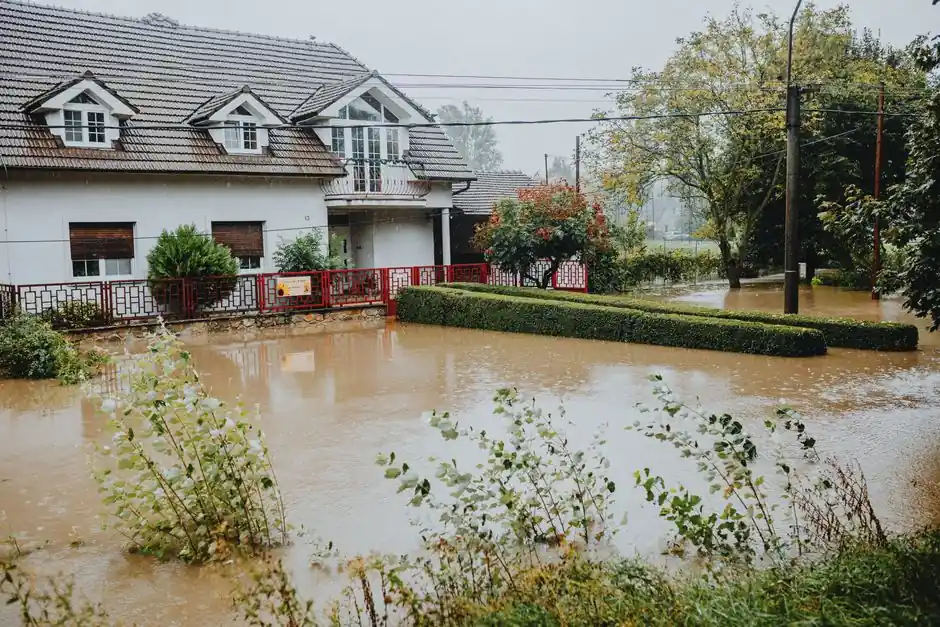
- Flood: surface water, overflowing rivers, and heavy runoff are generally excluded and need separate flood coverage.
- Sewer or drain backup: often excluded unless you add a water backup endorsement.
- Sump pump failure or overflow: commonly requires a specific endorsement.
- Gradual leakage or seepage: frequently excluded as wear or maintenance.
- Neglect: failing to heat the home or shut off water in winter can affect a claim.
- Mold: may be limited or excluded unless it results from a covered loss.
Policy wording differs, and some policies cap mold coverage at a set limit. Ask your insurer for the exact language that applies to you.
Winter Causes of Water Damage in Utah
Winter is the main season for water damage claims in Eagle Mountain, because cold snaps freeze pipes in exterior walls, garages, and unheated spaces.
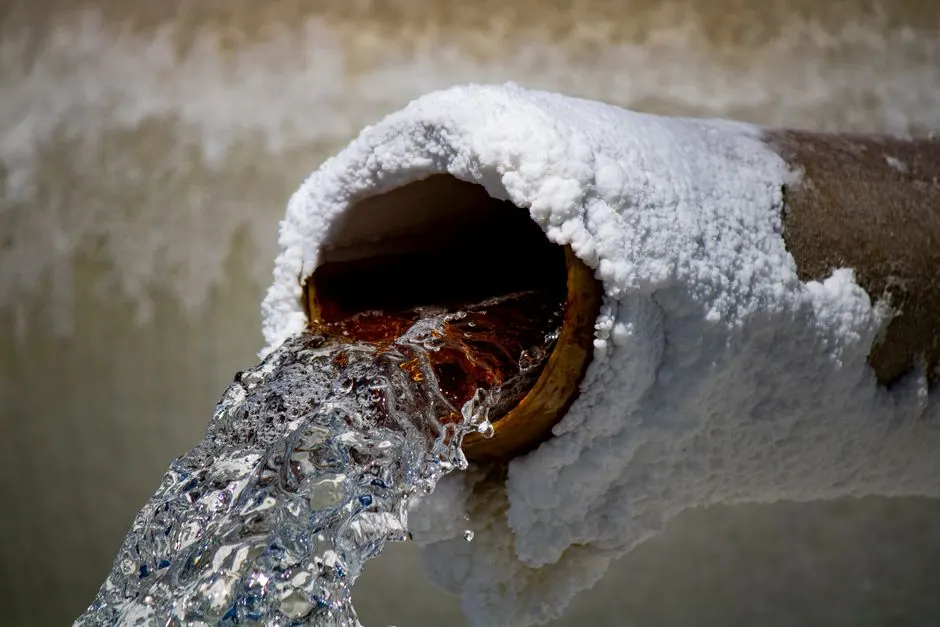
Water freezes at 32 degrees Fahrenheit, and a frozen pipe can split. The damage usually appears when the ice thaws and water starts to flow, sometimes while the family is asleep or away. Many policies consider a frozen pipe burst a sudden event, though some require the homeowner to have kept the heat on or taken reasonable precautions.
If a pipe bursts, the first move is closing the main water shutoff. The next is calling a restoration company, and our page on Burst Pipe Water Damage in Eagle Mountain explains how that cleanup typically goes. Ice dams on roofs are another winter source: melting snow backs up under shingles and drips into ceilings.
Dwelling Coverage, Personal Property, and Living Expenses
A water loss can touch three separate parts of a homeowners policy, and each has its own limit.
Dwelling coverage applies to the structure: walls, floors, ceilings, built-in cabinets. Personal property coverage applies to belongings such as furniture, electronics, and clothing. Many policies also include loss of use coverage, sometimes called additional living expenses, which can help with costs if the home is unlivable during repairs.
Each category has limits, and personal property is sometimes valued differently than the replacement cost of the item. Ask whether your policy pays replacement cost or actual cash value, because the difference can be large.
What Are Deductibles and Limits?
A deductible is the amount you pay out of pocket on a covered loss before the insurer pays, and a limit is the most the policy pays for a given category.
Some policies use a flat deductible and others use a percentage of the dwelling coverage amount, which is something to look up in your declarations page. Some Utah homeowners also carry a separate deductible for certain types of loss.
Before filing, compare the likely repair scope to your deductible. For a small loss, the damage may fall below the deductible, so some homeowners pay directly. Whether to file is your call, and your insurer can explain how a claim could affect your policy.
Common Mistakes Homeowners Make
The mistakes below can complicate both the cleanup and a claim.
- Waiting. Wet materials left for 24 to 48 hours can start growing mold, and delay can raise questions about whether damage was reasonably limited.
- Throwing everything out first. Photograph and list damaged items before disposal.
- Skipping the shutoff. Stop the source of water as soon as it is safe to do so.
- Assuming the answer. Do not assume you are covered or not covered. Read the policy and ask.
- Skipping drying. Hidden moisture in walls and subfloors causes later damage that may be harder to link to the original event.
Limiting further damage is generally part of what policies expect. Emergency steps such as extraction and drying can be done while you contact your insurer. Learning what Water Mitigation in Eagle Mountain involves helps you understand which steps stop the damage from spreading.
When to Call a Professional
Call a restoration professional as soon as water has spread beyond a small spot, because drying starts the clock on mold and material damage.
Water Cleanup Eagle Mountain connects homeowners with independent local restoration companies and does not handle insurance decisions. Your insurer decides coverage. A restoration crew can tell you what is wet, document the damage with photos and moisture readings, and explain the work.
For an urgent situation, the page on Emergency Water Damage in Eagle Mountain covers what to do in the first hours. Homeowners in nearby communities face the same freezing weather, and pages such as Water Damage Restoration in Herriman and Water Damage Restoration in American Fork describe the same process in those areas.
Frequently Asked Questions
Does homeowners insurance cover a burst pipe?
Often yes when the burst is sudden and accidental, though policies vary. Some require the home to have been heated. Check your policy language and ask your insurer about frozen pipe coverage.
Does homeowners insurance cover a slow leak?
Commonly not. Many policies exclude damage from leakage over a long period. Some pay for the resulting sudden damage but not the slow leak itself, so read the exclusions.
Does it cover flooding?
Standard policies generally exclude flood from outside the home. Flood coverage is usually a separate policy, often through the National Flood Insurance Program or a private carrier.
How soon should I report water damage?
As soon as possible. Policies usually require prompt notice, and wet materials can develop mold within 24 to 48 hours. Your policy and insurer can tell you any specific deadlines.
Should I wait for the insurance adjuster before cleanup?
Do not wait to stop the water or start drying. Take photos first and keep damaged items if possible, then ask your insurer what documentation they want.
Get help with Water Damage Restoration in Eagle Mountain
If water is in your home, start the drying process while you read your policy and contact your insurer. Call (385) 481-3042 and we connect you with a local water damage restoration company serving Eagle Mountain.