Does Homeowners Insurance Cover Basement Flooding?
Does homeowners insurance cover basement flooding? General information on sump pump backup endorsements, NFIP flood insurance, and what to check in your policy.
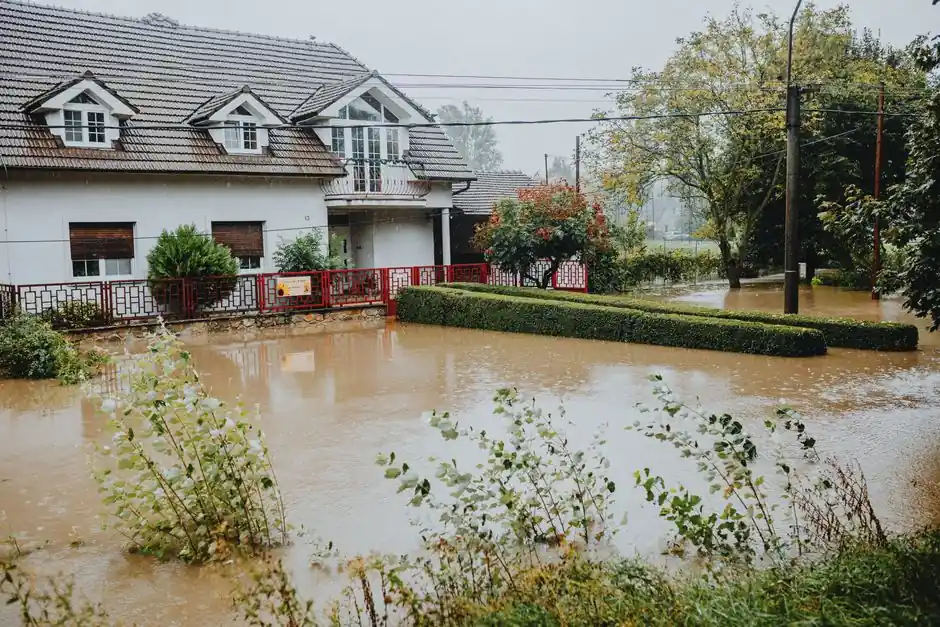
A standard homeowners policy typically does not cover basement flooding caused by rising water, surface runoff, or sump pump failure, but it may cover a basement that floods from a sudden internal source like a burst pipe. Coverage for sump pump backup and sewer backup usually requires an added endorsement, and true flood coverage is a separate policy.
Policies differ, so this is general information only. Your own policy and your insurer decide what applies to you. The sections below explain the terms so you know what to ask, with attention to the winter and spring conditions that put Eagle Mountain basements at risk.
Does Homeowners Insurance Cover Basement Flooding?
Homeowners insurance covers basement flooding only when the cause of the water is a covered event under the policy, and the cause matters more than the location.
Water from a burst supply line or a failed water heater is typically treated as a sudden internal loss, and many policies respond. Water that enters from outside, such as snowmelt, heavy rain, or a rising water table, is generally treated as flood and is commonly excluded.
Sump pump failure sits in between. A pump that stops during a power outage or wears out often falls under an exclusion unless you carry a specific endorsement. This is the single most common surprise for basement owners.
What Counts as Flood in an Insurance Policy?
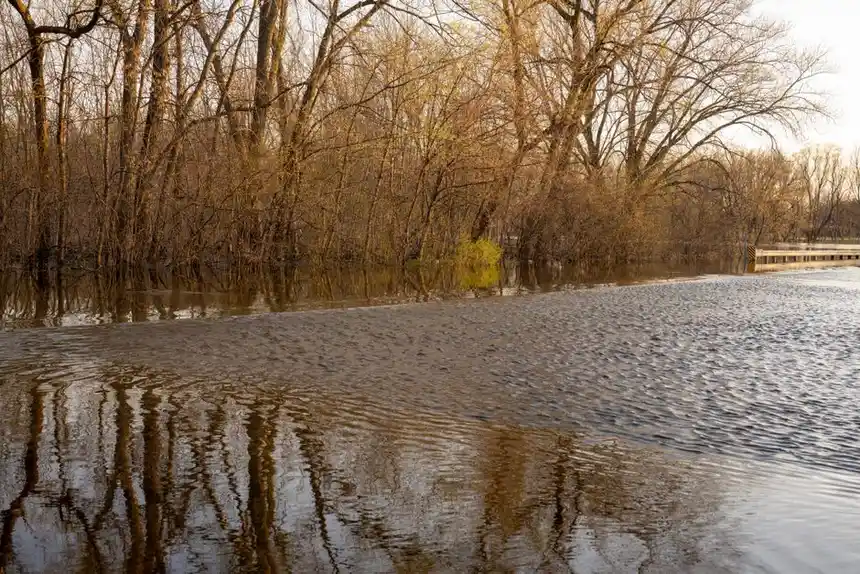
Flood, in insurance terms, is generally water that comes from outside the home across the ground, such as overflowing streams, heavy runoff, or rapid snowmelt.
The standard definition is broad. It usually includes surface water entering through windows, window wells, doors, or seepage through foundation walls and floors. Many policies exclude it by name, which means a flooded basement after a storm may not be covered even though the damage looks identical to a pipe leak.
If you are unsure how your insurer would classify the water, describe exactly what you saw and ask. The classification drives the answer.
What Is a Sump Pump Backup Endorsement?
A sump pump backup endorsement is an optional add-on to a homeowners policy that may cover water damage when a sump pump fails or when water backs up through a sump or drain.
It is often called water backup coverage. Without it, many policies exclude damage from a sump pump that stops working, loses power, or is overwhelmed. Endorsements usually carry their own limit, which can be lower than the main dwelling limit, so it is worth checking the number.
The terms differ from one policy to the next. Ask what the endorsement covers, whether it includes sewer or drain backup, whether it applies to finished basement contents, and how the deductible works.
If you own a home with a sump pump, add this question to your annual policy review. It is easier to ask before a loss than after one.
What Is Flood Insurance Through the NFIP?
Flood insurance through the National Flood Insurance Program, or NFIP, is a federally backed policy that covers direct physical damage from flooding, sold separately from a homeowners policy.
It can cover the structure and its systems, and contents coverage is typically a separate selection. NFIP policies are available through many insurance agents. Private flood insurance is another route offered by some carriers.
Many flood policies have a waiting period before they take effect, commonly 30 days, so buying one after water is already approaching is generally too late. Basement coverage under flood policies can be limited, with restrictions on finished areas and belongings, so read the details.
Flood coverage is not limited to high-risk zones. Water can enter a basement from outside in places that are not mapped as flood zones, which is why some homeowners in Utah carry it anyway.
Basement Flooding Causes in Eagle Mountain
Basements in Eagle Mountain flood from a mix of internal and external causes, and the season often points to which one it is.
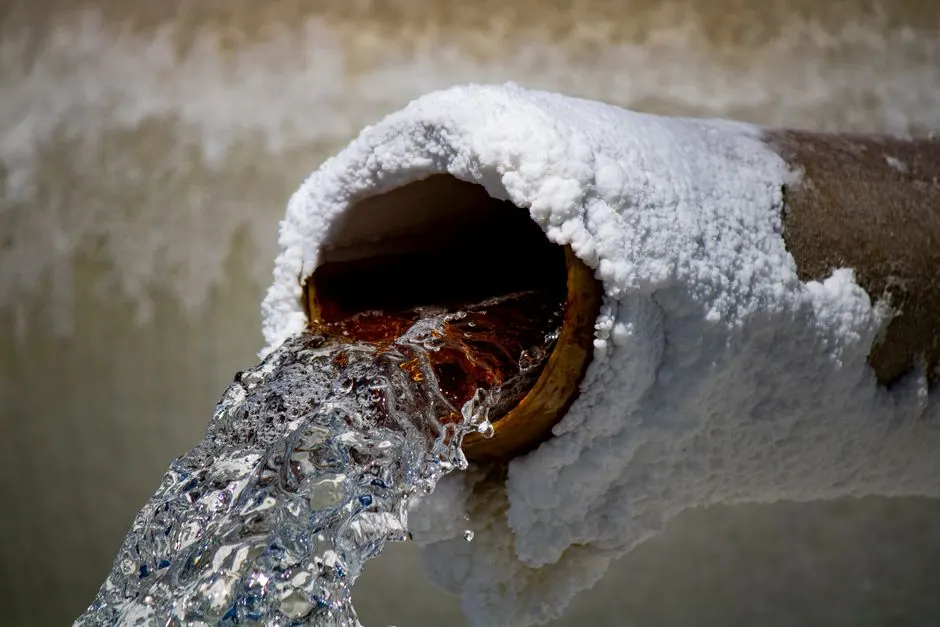
In November and winter, the leading internal cause is a frozen pipe that bursts and drains into the lower level. In spring, snowmelt and storm runoff are more common external causes, along with failing sump pumps. Window wells filled with snow can also let water seep in as it thaws.
Our page on Basement Flood Cleanup in Eagle Mountain covers the typical cleanup steps, from water removal to drying the concrete and framing. If the whole home was affected by outside water, Flood Cleanup in Eagle Mountain explains the broader process.
Finished Basements and Belongings
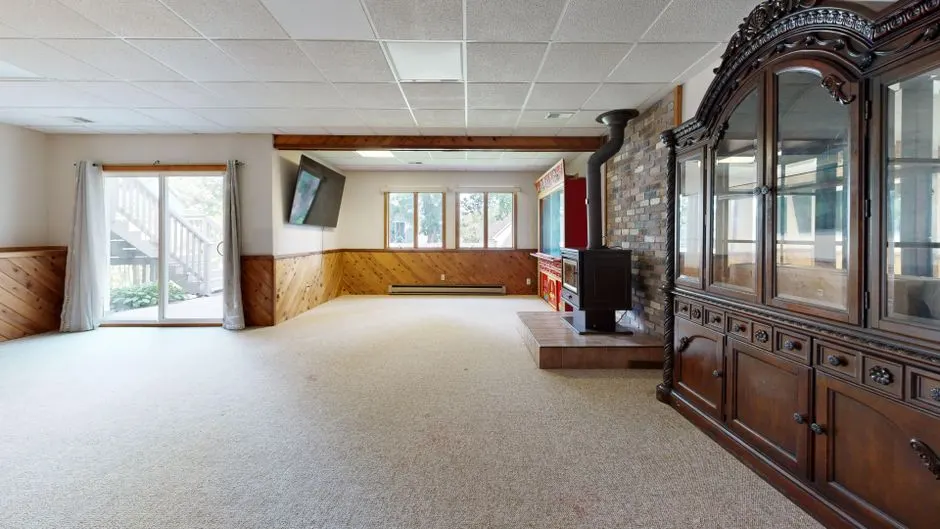
A finished basement raises the stakes in an insurance conversation, because more of the loss is carpet, drywall, trim, and stored belongings.
Personal property coverage may or may not respond depending on the cause of the water. Even when the structure is covered, belongings may be subject to a separate limit. Some flood policies limit what they pay for finished basement improvements.
Take photos of every wet item before moving it, and write a simple list of what was stored where. A clear inventory supports any conversation you have with your insurer.
Crawl spaces behave similarly. If your home has one that collected water, Crawl Space Water Removal in Eagle Mountain describes how that water is removed and the space dried.
Questions to Ask Your Insurer
A short list of questions can clarify your coverage before or after a loss.
- Does my policy cover water from a burst pipe or appliance in the basement?
- Do I have sump pump or water backup coverage, and what is its limit?
- Is sewer or drain backup included?
- Does my policy exclude surface water and seepage through the foundation?
- What is my deductible for this type of loss?
- Do I have separate flood coverage through the NFIP or a private carrier?
Write down the answers and who gave them. If anything is unclear, ask for the policy language in writing.
Common Mistakes After a Basement Flood
A few missteps make basement flood recovery harder, whether or not insurance applies.
- Entering standing water. Water near outlets, appliances, or the electrical panel can carry current. Stay out until power is safe.
- Waiting too long. Mold can begin within 24 to 48 hours on wet drywall and carpet.
- Discarding before documenting. Take photos and make a list first.
- Assuming the policy answer. Do not guess whether you are covered. Ask.
- Ignoring sewage. If the water is dark or smells like sewage, treat it as contaminated and limit contact.
Water Cleanup Eagle Mountain does not decide coverage. That decision belongs to your insurer.
When to Call a Professional
Call a restoration professional when water covers more than a small area of the basement, when it has been standing for a day, or when you are unsure what caused it.
Water Cleanup Eagle Mountain connects homeowners with independent local restoration companies serving Eagle Mountain and nearby communities. The crew you are connected with can remove the water, measure moisture, and set drying equipment while you work through the policy details with your insurer. Homeowners in nearby growth areas like Bluffdale and Saratoga Springs ask the same questions, as shown on pages such as Water Damage Restoration in Bluffdale and Water Damage Restoration in Saratoga Springs.
Frequently Asked Questions
Does homeowners insurance cover a basement flooded by a burst pipe?
Often yes, since a burst pipe is typically a sudden internal event, though policies vary. Check your policy language and ask your insurer about frozen pipe conditions.
Does homeowners insurance cover sump pump failure?
Usually not without a sump pump backup or water backup endorsement. Ask your insurer whether you have one and what its limit is.
Does flood insurance cover a finished basement?
Coverage for finished basements is often limited under flood policies, and contents may need separate coverage. Review the NFIP or private flood policy details with your agent.
How long is the waiting period for NFIP flood insurance?
Many NFIP policies have a waiting period, commonly 30 days, before coverage starts. Confirm the current terms with your insurance agent.
Should I start cleanup before filing a claim?
Stop the water and begin drying to limit damage, but photograph everything first. Then contact your insurer promptly and ask what documentation they need.
Get help with Water Damage Restoration in Eagle Mountain
A wet basement needs drying fast, whatever your policy says. Call (385) 481-3042 and we connect you with a local water damage restoration company serving Eagle Mountain.