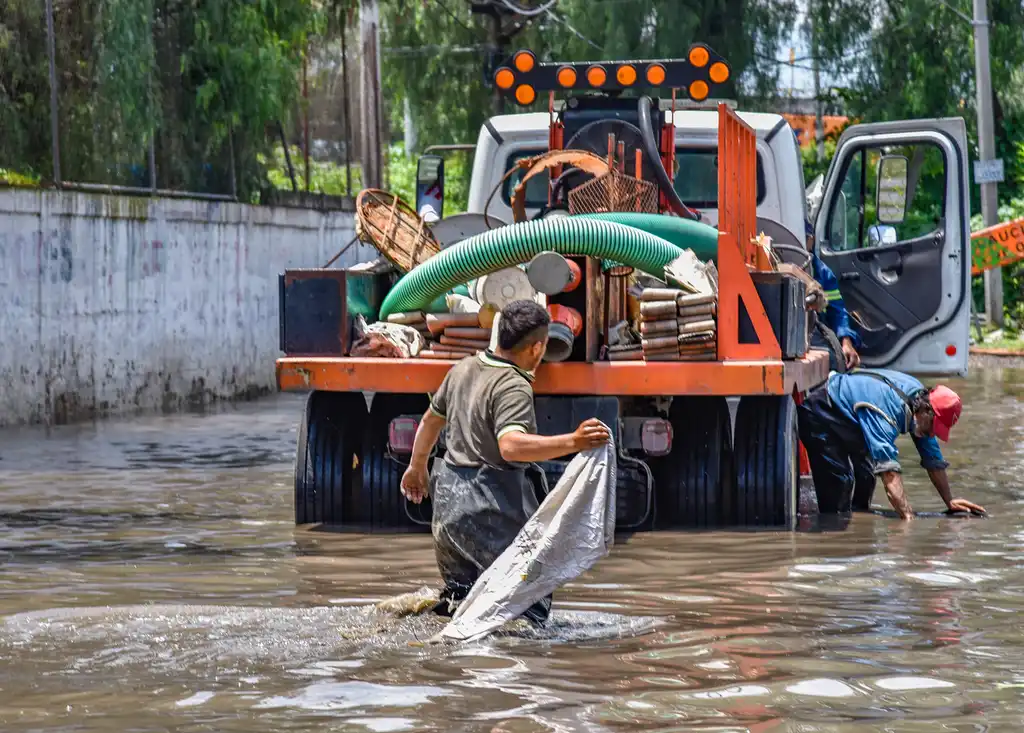
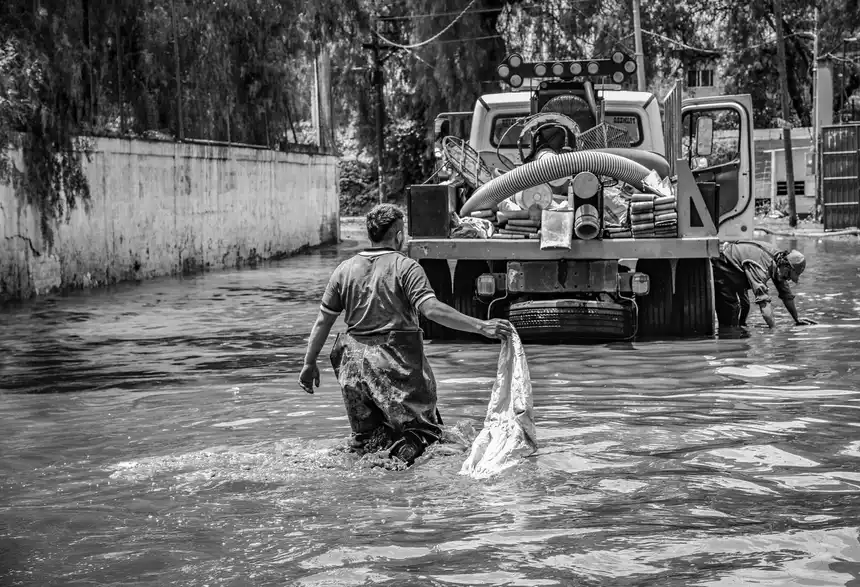
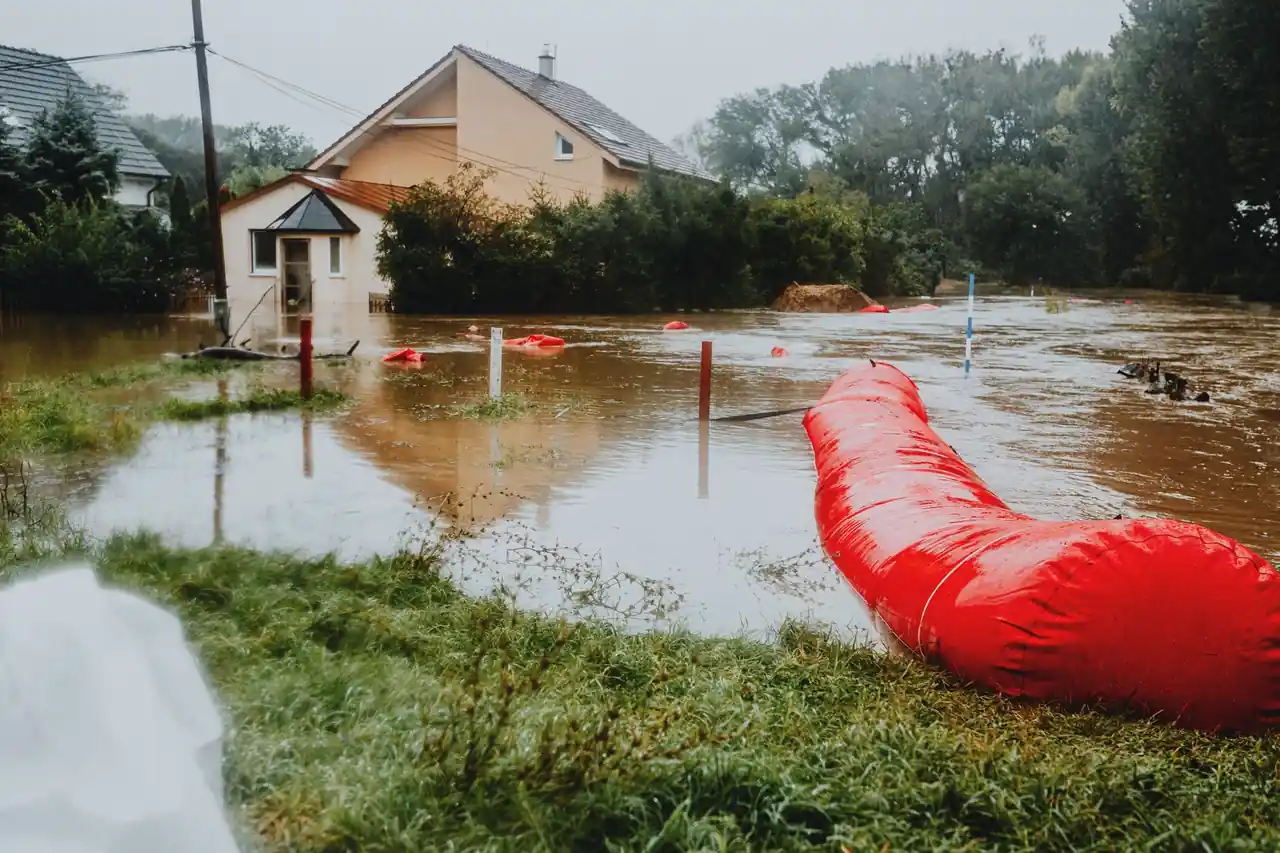
Move deep standing water through hoses to a drain, sump or outdoor discharge point, taking the bulk of the water out before detailed extraction begins.
Water Extraction in Eagle Mountain After a Leak or Flood
Water Extraction in Eagle Mountain begins with one call to (385) 481-3042. We connect you with an independent local water damage restoration company that pulls standing water out of finished basements, living areas and garages using truck-mounted and portable extractors.
Serving Eagle Mountain and nearby areas.
How big is the job?
Several rooms
Water has spread across a basement or main floor and into pad and baseboards.
- 1. Small spill One room with shallow water, extracted and dried in place when the pad allows.
- 2. Several rooms Water has spread across a basement or main floor and into pad and baseboards.
- 3. Whole level Deep water across a full level; the plan is mapped out before equipment goes in.
Drag the needle to compareTouch and drag the needle
- 9Services from one local team
- 5Areas served around Eagle Mountain
- Meter firstMoisture readings guide where extraction happens
- Category checkedWater type decides the safe way to proceed
What Water Extraction Typically Includes
Water extraction covers the removal of the water itself and the checks that decide what happens next.
Work order
Water Extraction- Bulk water pump-out: Submersible pumps move deep standing water out through hoses to a drain, sump or outdoor discharge point. In a basement this includes pumping from low corners and window well areas where water collects. Hose routes are planned so water does not return to the foundation or freeze outside in winter.
- Carpet and pad extraction: Truck-mounted or portable extractors pull water from carpet and the pad beneath it. Crews work in slow, overlapping passes and lift carpet at the edges to reach the pad. Pad that is too saturated or contaminated is cut out so the carpet can be dried and cleaned separately.
- Hard surface extraction: Wand tools and drying mats pull water from hardwood, laminate, vinyl plank and tile seams. Hardwood is checked for cupping early, since boards can swell within days. Finding water trapped under flooring is often the difference between saving a floor and replacing it.
- Baseboard and wall base check: Water wicks upward into drywall and baseboards, so crews probe the lower wall with moisture meters and a thermal camera. Where readings stay high, a small section of baseboard or drywall may be opened to check insulation and framing for hidden moisture.
- Moisture readings and records: Meter readings and photographs are recorded room by room. These notes show what was wet, what dried and what still needs attention, and they give your insurance adjuster and any repair contractor the same measured starting point.
What the first visit covers
First visit
The crew finds the source, checks water depth and category, maps wet areas with meters, then pumps and extracts so drying can start.
Water extraction for your home
Water can end up in any room, and extraction is matched to the floor.
Finished basements
Carpet over slab holds water that needs pumping and pad extraction.
Burst pipe floors
Frozen or split lines can soak hardwood, tile and ceilings below.
Appliance leaks
Water heaters, dishwashers and washers can flood a kitchen or laundry room.
Garages and utility rooms
Standing water near mechanicals is pumped out before it spreads inward.
Water extraction for small businesses
Offices, shops and rental units need standing water removed with little disruption to the space.
Offices and studios
Carpet tile and drywall are checked for trapped moisture.
Retail and storefronts
Water is cleared from floors and stock areas before it spreads.
Rental units
Leaks between units are extracted and mapped for repair decisions.
Water Extraction in Eagle Mountain Explained
Water that sits in carpet pad, subfloor and wall cavities keeps causing damage long after the surface looks dry. Removing it properly, then measuring what is left, is what makes drying shorter and repairs smaller.
Water Extraction in Eagle Mountain is the removal of standing and trapped water from floors, carpet, pad and wall cavities so a leak or flood does not grow into a larger loss. A restoration crew typically starts with submersible pumps for deep water, then moves to truck-mounted extractors and portable units that pull water out of carpet fibers and the pad underneath. Wand tools for hardwood and tile get water out of seams a mop never reaches. Moisture meters then confirm what is still wet, because a floor can look dry while the subfloor holds water.
Eagle Mountain homes see extraction calls for reasons tied to the area. Many newer subdivisions have finished basements, so a failed sump pump or a split supply line often means water sitting in carpet over a concrete slab. Hard freezes from late November through February crack pipes and hose bibs, and spring snowmelt runoff over clay soils pushes water toward foundations that drain slowly. Whether you call it water removal in Eagle Mountain or standing water removal, the goal is the same: get the water out before pad, baseboards and drywall wick it upward.

- What it is
- Removal of standing and trapped water using pumps and extractors.
- When it helps
- After leaks, floods, sump pump failure or a burst pipe in cold weather.
- What you get
- Cleared floors, moisture readings and a clear picture of what happens next.
How long does water extraction take?
Active extraction on a single room or basement area typically runs a few hours of pumping and extracting, though large losses take longer.
Extraction Tools and Methods
Each method answers a different question. Together they leave very little to guess.
Use strong vacuum power from a unit outside the home to pull water from carpet and pad through long hoses, which removes more water than portable units.
Handle upper floors, tight rooms and areas where truck hoses cannot reach, pulling water from carpet, stairs and small hard surface areas.
Press water out of carpet and pad, or pull it from seams in hardwood, laminate and tile, where a standard vacuum cannot get at moisture.
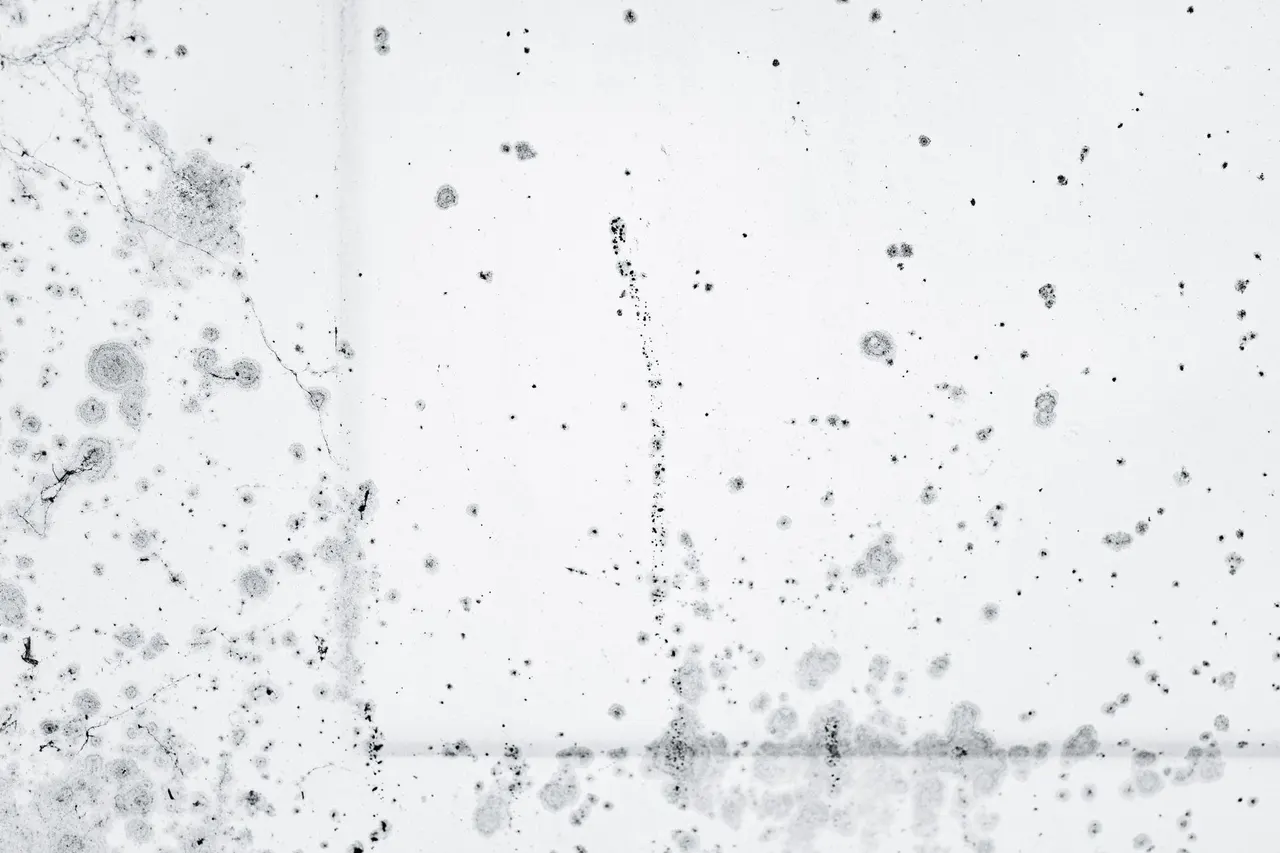
Pin and pinless meters read how wet drywall, wood and subfloor are, which shows how far water traveled and when a material is dry.
When to Call for Water Extraction
A hard freeze splits a copper line behind a finished basement wall while you are away for the weekend.
Once the main valve is closed, the restoration crew pumps the standing water, extracts carpet and pad, and uses a thermal camera…
HomesSpring snowmelt runoff pushes groundwater through a window well and floods a basement bedroom over clay soil.
Crews pump the water out through hoses routed away from the foundation, extract the carpet and pad, and check the window well…
HomesA water heater tank fails in a utility room shared by a home office, spreading water to carpet and a hallway.
The crew extracts water from carpet and hard flooring, checks wall bases with moisture meters and opens only the sections that read…
Homes and businesses
How Water Extraction Works in Eagle Mountain
Winter is the first thing a restoration crew plans around in Eagle Mountain.
The Ranches
Larger homes with finished basements mean more carpet and pad to extract, and long hose runs to reach a discharge point away from the foundation.
Pole Canyon
Newer construction with finished lower levels, where a sump pump failure or a window well leak can reach carpet over slab quickly.
City Center
Family homes with basement bedrooms and living areas, where extraction focuses on pad, wall bases and rooms below a failed upstairs fixture.
- The Ranches
- Pole Canyon
- City Center
- Silverlake
From problem to finished result.
Slide to compare the photo with an illustrative inspection view. It is generated from the photo, not a measurement.
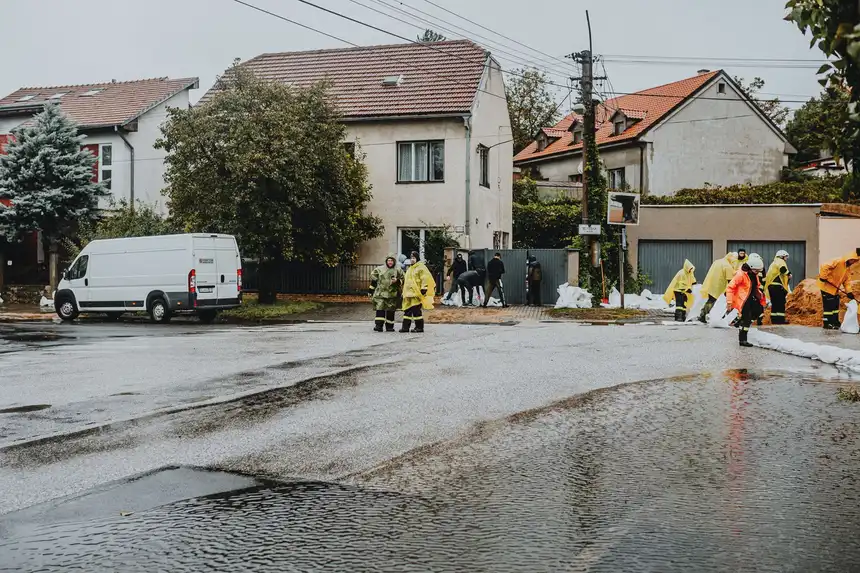 Photo
Frozen line, finished basement
Before: A supply line splits during a hard freeze while the family is away. By the time it is found, two inches of water cover a finished basement, and carpet, pad and the lower foot of drywall are soaked.
After: Pumps clear the standing water, extractors pull water from carpet and pad, and wet pad is removed. Moisture readings on the carpet fall from the wet range to normal over 3 to 5 days of drying, and only the lowest section of drywall needs replacing.
Sump pump failure after snowmelt
Before: Spring snowmelt raises groundwater over clay soil, and a sump pump fails in the night. Water spreads across a 400 square foot basement, reaching walls and carpet and leaving a musty smell.
After: Water is pumped out and carpet and pad are extracted. A thermal camera shows wet wall bases, which are dried in place. After drying, readings match unaffected areas and the musty smell is gone.
Dishwasher leak on hardwood
Before: A failed dishwasher supply line leaks overnight and water spreads across kitchen hardwood into the hallway. Boards are beginning to cup and the cabinet toe kick feels damp.
After: Wand extraction pulls water from the seams, drying mats pull moisture from the boards, and the toe kick is opened to dry the cavity. Readings drop to normal and most of the hardwood is saved.
Solving Standing Water Problems in Eagle Mountain Homes
Water problems rarely arrive at a convenient time.
A finished basement has several inches of standing water after a sump pump failure.
Carpet, pad, drywall and stored belongings absorb water within hours, and mold can start in 24 to 48 hours if the space stays damp.
A frozen supply line split overnight and water ran through the floor above.
Water travels down through ceilings and wall cavities, soaking insulation and drywall where it cannot be seen, and winter keeps rooms cold and slow to dry.
Carpet looks dry on top but still feels damp and smells musty.
Moisture trapped in pad and subfloor keeps feeding mold and can warp floors, and the smell usually means damp materials have been sitting for days.
A water heater tank failed in the garage and water spread into adjoining rooms.
A full tank releases 40 to 50 gallons across a slab and under doors, wicking into baseboards and flooring in the nearest living space.
What Proper Extraction Does for Your Home
Pulling water out early changes how the rest of the job goes.
Less material torn out
Carpet pad soaks up water like a sponge, but a thorough pass with an extractor can remove most of it before it wicks into…
Shorter drying time
Structural drying commonly runs 3 to 5 days, and thorough extraction is what keeps it near the low end.
Lower mold risk
Mold can begin growing in 24 to 48 hours on damp drywall, wood and pad, and Utah winters keep homes sealed tight with little…
A cleaner starting point
Once water is out and readings are documented, your insurance adjuster and any contractor can work from the same moisture records.
What Affects Water Extraction Cost?
Water extraction cost in Eagle Mountain depends on the job rather than a flat rate, so no figures are listed here.
Included
Quoted after a first look
- Bulk water pump-out
- Carpet and pad extraction
- Hard surface extraction
- Baseboard and wall base check
What changes the scope
Quoted after a first look
- Affected square footage
- Water category
- Depth and time sitting
- Flooring and materials
What you receive after the job
Clear records you can keep and share.
Moisture readings
Room by room meter results showing what is wet and what is dry.
Water category notes
A record of the water type, source and areas affected.
Photo documentation
Pictures of affected areas for your records and any insurance claim.
Extraction Know-How Behind Every Call
Water extraction looks simple, but good results come from method.
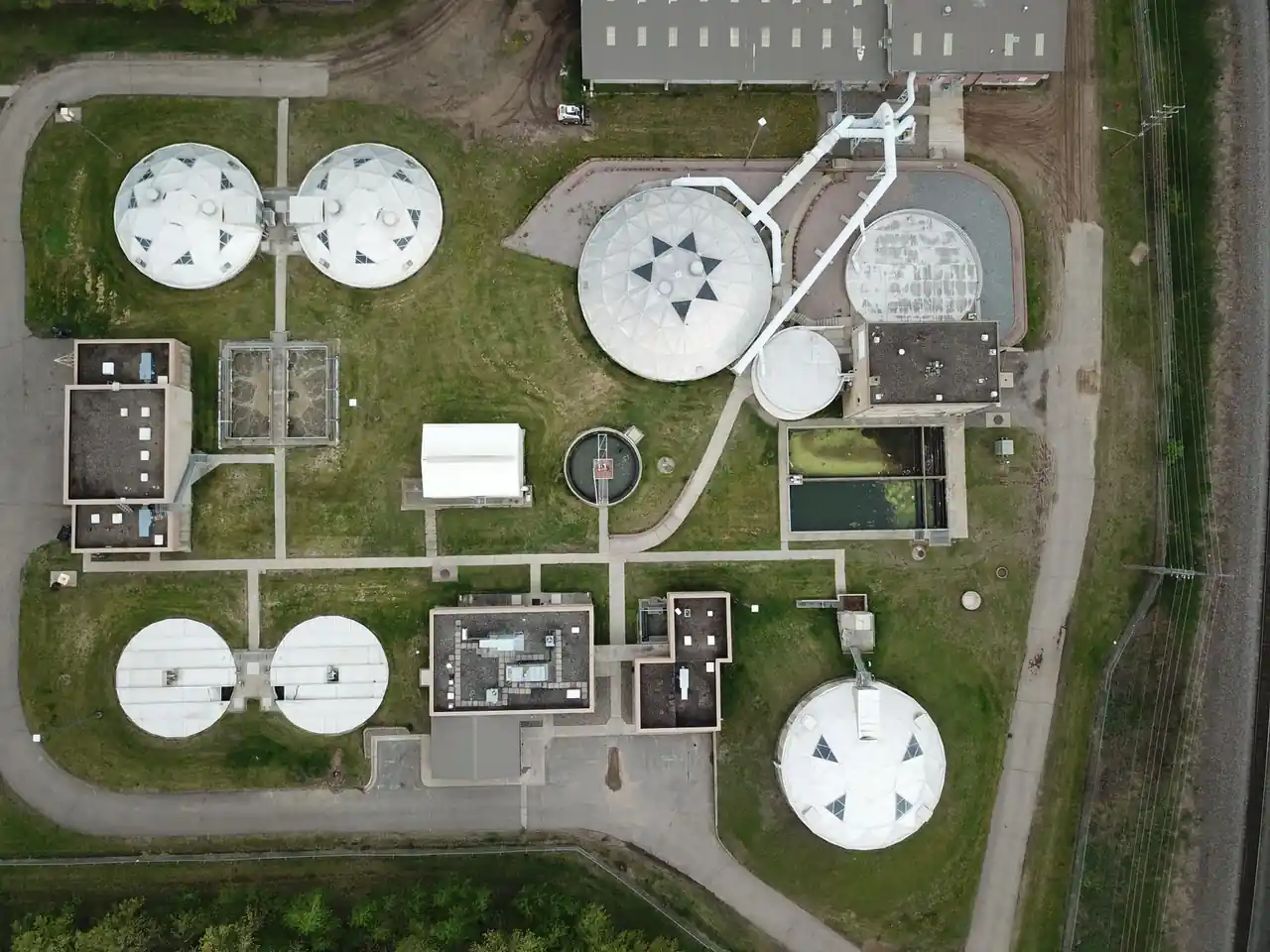
Moisture meter readings
Pin and pinless meters read how wet wood, drywall and subfloor are, which shows where water traveled beyond the visible stain.
Thermal camera images
Cooler patches on walls and floors often point to hidden moisture and show where to probe with a meter.
Water category
Clean, gray or black water under IICRC S500 decides protective gear and which materials can be saved.
Is your Eagle Mountain area covered?
Type your ZIP code or town. If yours is not listed, call (385) 481-3042 and ask about it.
Eagle Mountain ZIP codes
- 84013
- 84005
Towns we serve.
Based in Eagle Mountain and covering the places around it. Pick one for local details.
Frequently Asked Questions
Short answers for the first few minutes. The team can cover the rest.
Still have a question?
Describe what you are seeing and we will point you to the right next step.
(385) 481-3042Active extraction on one room or basement area typically takes a few hours, while structural drying afterward commonly runs 3 to 5 days. Larger losses with deep water or several rooms take longer. Crews check moisture readings during drying, and extraction is only the first stage. Speed matters because mold can start in 24 to 48 hours on damp materials, so call (385) 481-3042 as soon as water appears.
A shop vac handles a spill of a gallon or two, but water several inches deep needs submersible pumps and extractors. A household vacuum also leaves carpet pad saturated, and that pad holds most of the water in a finished basement. Never use a vacuum near wet outlets, and turn off power to the area if it is safe. For anything deeper than a puddle, call (385) 481-3042.
Yes, in most cases, because drained water still leaves moisture in pad, subfloor and wall cavities for days. Moisture meters and thermal cameras show where it went, and a surface that feels dry can still read wet inside. Drying equipment then removes what extraction cannot. If you see staining, a musty smell or warped baseboards, call (385) 481-3042 to be connected with a local restoration company.
Water extraction is the removal of standing and trapped water, while water mitigation is the full loss-control process around it. Mitigation also covers moisture mapping, drying with air movers and dehumidifiers, removing unsalvageable materials and documenting readings. Extraction usually comes first, then drying follows. The restoration company you are connected with at (385) 481-3042 can explain how both stages apply to your home.
Related Services
Other services from the same team.
- Flood CleanupFlood cleanup covers the removal of water, mud and damaged materials after a heavy storm, a failed water…
- Basement Flood CleanupBasement flooding often comes from sump pump failure, a failed water heater or groundwater pushing in after snowmelt.
- Mold RemediationMold can begin growing on damp materials within 24 to 48 hours of a leak.
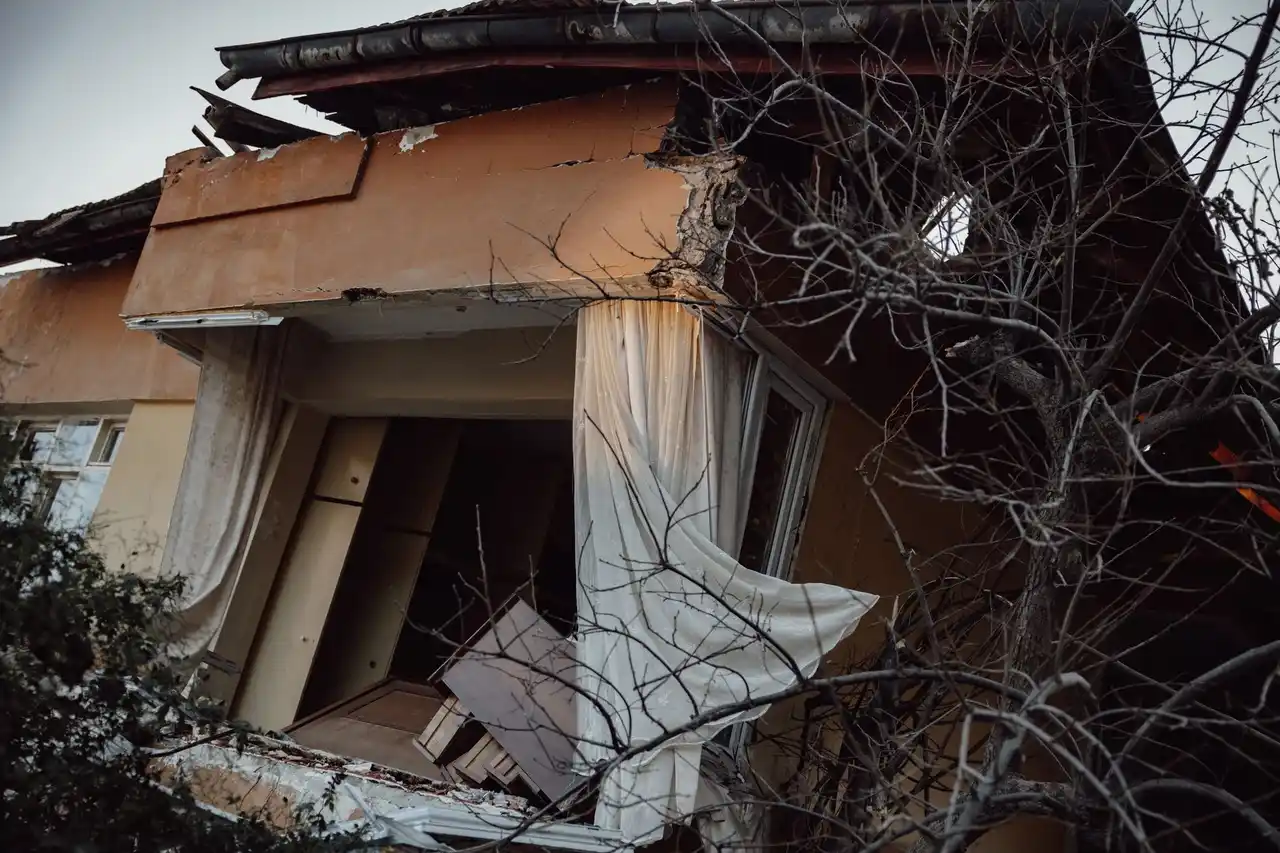
Call About Water Extraction in Eagle Mountain Now
(385) 481-3042Standing water does not wait, and neither should you. Call (385) 481-3042 and we connect you with an independent local water damage restoration company that handles extraction in Eagle Mountain, Utah and nearby towns.
Call to Get Connected
If water is damaging your home in Eagle Mountain or a nearby Utah County town, call (385) 481-3042. Tell us what happened, where the water is and whether it is still flowing. We connect you with an independent local water damage restoration company that serves your address.
Call to get connected
Call (385) 481-3042 and tell us what happened, where the water is and whether it is still flowing. We connect you with a local water damage restoration company serving Eagle Mountain and nearby towns.