Moves standing water out of the crawl space through a hose to a safe discharge point away from the foundation, even when only a few inches of water are present.
Crawl Space Water Removal in Eagle Mountain, UT
Crawl Space Water Removal in Eagle Mountain begins with pumping out standing water, then drying the joists, subfloor, and insulation above it.
Serving Eagle Mountain and nearby areas.
How big is the crawl space job?
Standing water
Several inches of water across the space, needing pumping, wet insulation removal, and multi-day drying.
- 1. Shallow film A thin layer of water over part of the space, handled with a wet vacuum and short drying.
- 2. Standing water Several inches of water across the space, needing pumping, wet insulation removal, and multi-day drying.
- 3. Full flooding Deep water, sump pump failure, or contaminated water. Source, removal, and drying plan mapped before work starts.
Drag the needle to compareTouch and drag the needle
- 9Services from one local team
- 5Areas served around Eagle Mountain
- Source firstWater entry point found before drying equipment is set
- Meter readingsJoist moisture confirmed dry before insulation goes back
What Crawl Space Water Removal Includes
A crawl space job covers pumping, removal of wet materials, drying, and a check of the systems that keep water out.
Work order
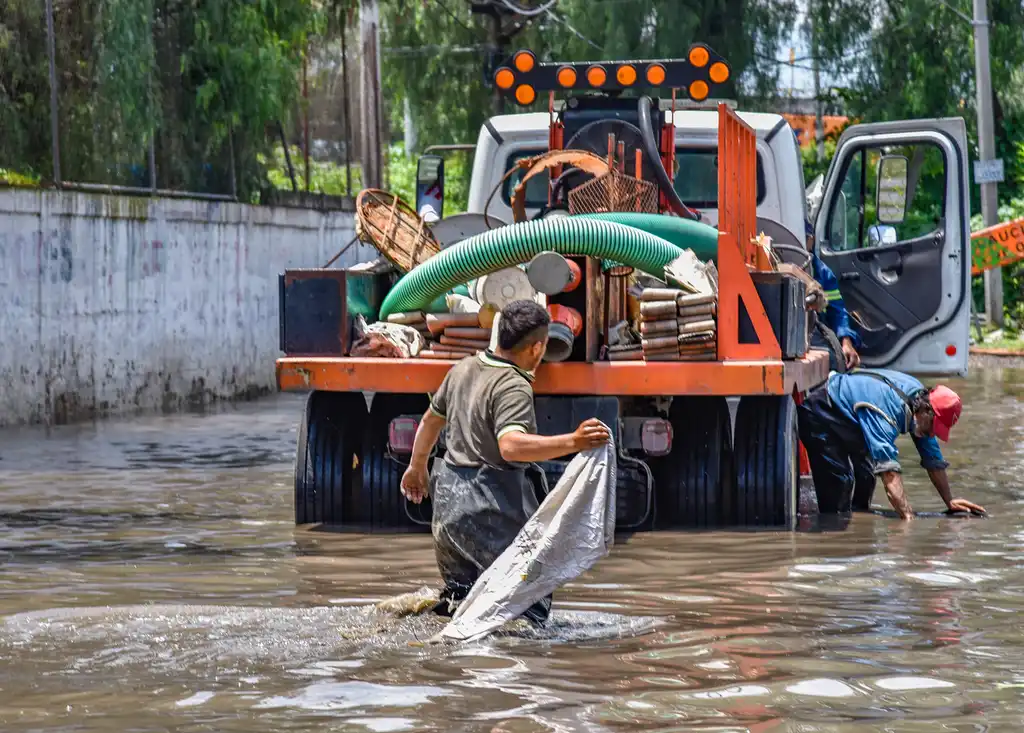
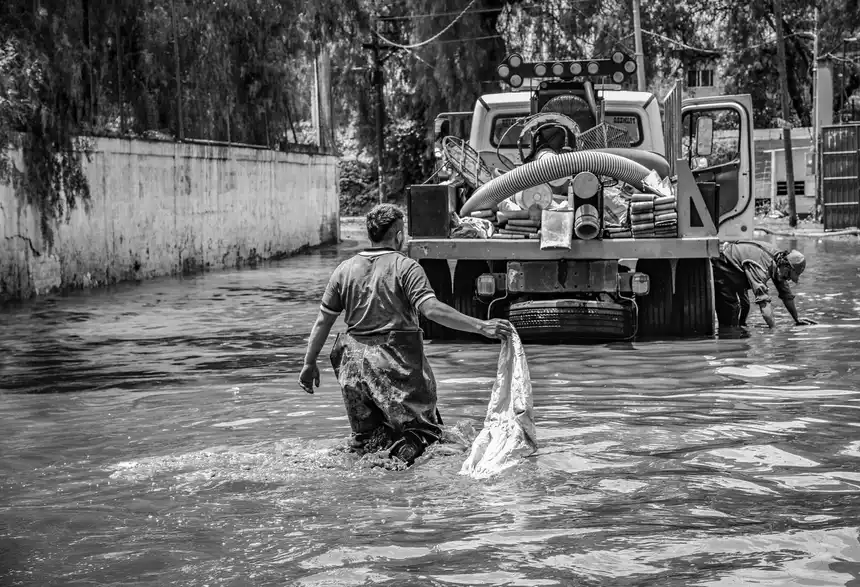
Crawl Space Water Removal- Standing water extraction: A submersible pump removes standing water through a hose to a discharge point away from the foundation, and a wet vacuum clears the last shallow film. The crew keeps pumping until the soil is damp but no free water remains.
- Wet insulation removal: Soaked fiberglass batts and torn duct wrap are pulled and bagged, since wet insulation holds water against the subfloor and prolongs drying. New insulation can go back after the framing reads dry.
- Structural drying: Air movers and a dehumidifier run across the crawl space, usually for three to five days. Joist and subfloor moisture content is logged until it reaches about 15 percent, and humidity is brought under 60 percent.
- Vapor barrier repair: Torn or missing vapor barrier is patched or replaced with polyethylene sheeting, overlapped about 12 inches at seams and run up the foundation wall, so ground moisture stops rising into the space.
- Sump pump and discharge check: The float, pump motor, check valve, and discharge line are tested, and the route water takes away from the house is checked. A pump that cannot clear a storm is the most common reason flooding repeats.
What the first visit covers
First visit
Depth of water, source of entry, joist and subfloor moisture readings, insulation and vapor barrier condition, and a check of the sump pump.
Crawl space help for Eagle Mountain homes
Water under a house shows up as cold floors, odor, and rising humidity.
Snowmelt flooding
Standing water after thaw or heavy storms.
Frozen supply lines
Pipes that split in unheated crawl spaces.
Sump pump failure
Ground water returning after a pump stops working.
Wet insulation
Sagging batts holding water against the subfloor.
Crawl spaces under local businesses
Small commercial buildings and rental properties with crawl spaces face the same snowmelt and pipe risks as homes.
Small offices
Wet subfloors and insulation under suites.
Rental properties
Recurring dampness reported by tenants.
Light retail buildings
Floors cold or damp over crawl spaces.
Crawl Space Water Removal in Eagle Mountain, Explained
A wet crawl space does not stay in the crawl space. Moisture moves up into floors, walls, and indoor air, so pumping the water out and drying the framing properly protects the whole house above.
Crawl Space Water Removal in Eagle Mountain is a restoration service that pumps out standing water under a home and dries the framing, insulation, and air in the space so moisture stops rising into the living area. The work usually starts with a submersible pump or wet vacuum, followed by removal of soaked fiberglass insulation, a check of the sump pump and discharge line, and repair or replacement of the vapor barrier, a polyethylene sheet laid over the soil. Drying then runs with air movers and a dehumidifier until joists read near 15 percent moisture content and relative humidity is under 60 percent.
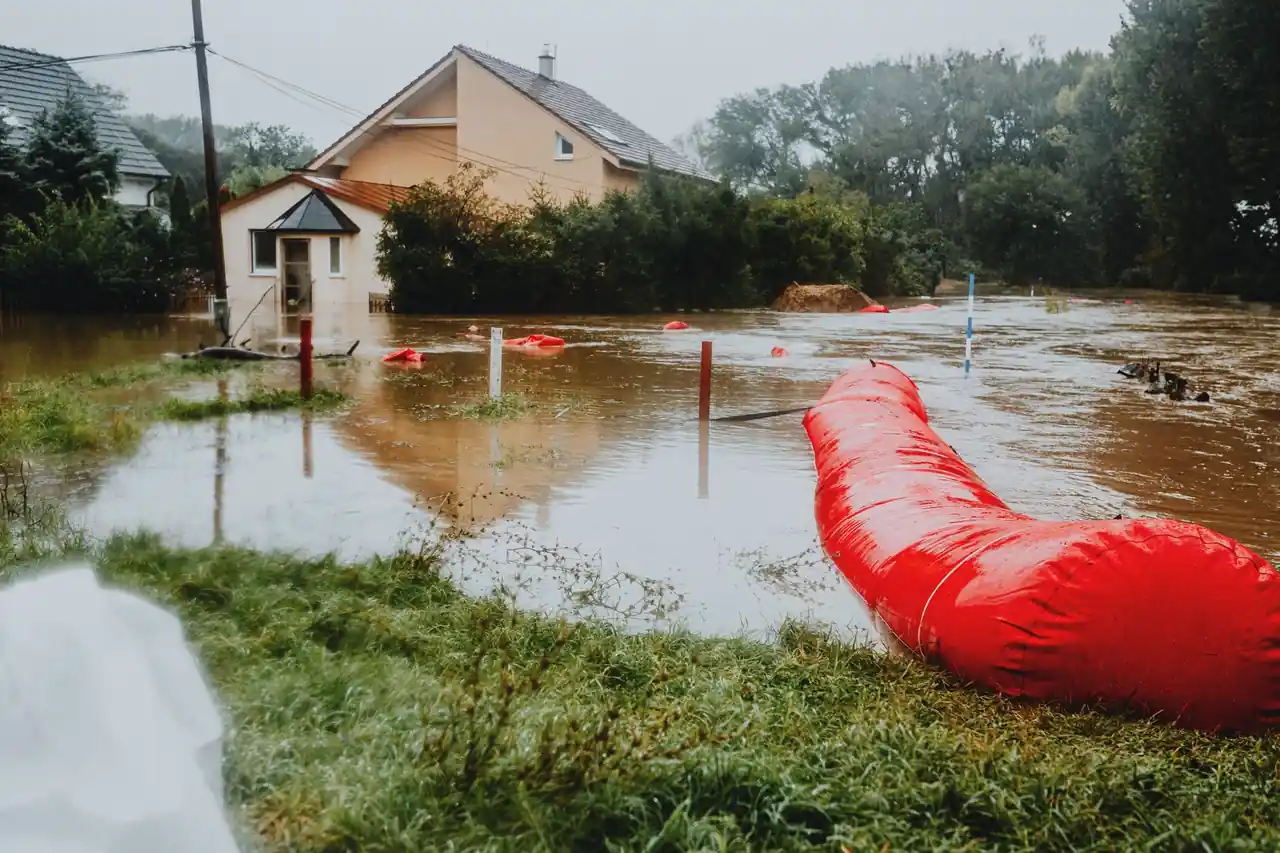
Crawl space flooding in Eagle Mountain tends to follow snowmelt, heavy storms, a leaking supply or drain line, or a burst pipe during a hard freeze. Clay-heavy soils drain slowly, so water can pool against foundation walls and seep through vents or cracks into the space below the floor. Because crawl spaces are dark and hard to see into, owners often discover a problem only when floors feel cold, a musty smell appears upstairs, or utility bills climb. Catching it within the first 24 to 48 hours keeps wood framing from becoming a mold job.
- What it is
- Pumping, wet insulation removal, drying, and vapor barrier and sump checks.
- When it helps
- Standing water, cold damp floors, or musty odor from under the house.
- What you get
- A dry crawl space with joist moisture readings and photos on record.
How Crawl Space Water Removal Works
A typical crawl space job in Eagle Mountain takes about four to seven days from first extraction to final moisture readings, depending on how much water…
Tools and Methods for Crawl Spaces
Each method answers a different question. Together they leave very little to guess.

Pulls up the shallow film of water and slurry a pump cannot reach, leaving soil damp but free of standing water before drying equipment is set.
Reads moisture content in joists and subfloor, showing what is still wet and confirming when framing has dried to about 15 percent or lower.
Shows cool, wet areas on ducts, joists, and subfloor, helping locate leaks and confirm that wet insulation has been removed from every cavity.
Move air across wet wood and pull moisture out of the space, bringing humidity under 60 percent and framing back to dry standard in three to five days.
When to Call for Crawl Space Water Removal
Snowmelt in an Eagle Mountain home with a crawl space leaves several inches of standing water, and the floors above feel cold and damp.
A submersible pump removes the water, soaked insulation is bagged, and air movers and a dehumidifier dry the joists.
HomesA supply line in an unheated crawl space burst during a hard freeze and has been running under an Eagle Mountain home for hours.
After the main valve is shut, the crew pumps out the water, removes wet insulation, and dries the space, while a plumber…
HomesA landlord in Eagle Mountain finds the sump pump failed after a storm and the crawl space under a rental flooded with ground water.
Standing water is pumped out, the pump and discharge line are tested, wet insulation is removed, and drying equipment runs for several…
Homes and businesses
How Crawl Space Work Runs in Eagle Mountain
Crawl Space Water Removal in Eagle Mountain depends on three local facts: clay soils, hard freezes, and a building stock that mixes newer basement homes with older rural homes and additions that sit over crawl spaces.
Older rural properties
Homes outside the newer subdivisions are the most likely to sit over crawl spaces, often with vents, older insulation, and exposed supply lines.
Overlake
Newer construction mostly means basements, but additions and porches can sit over crawl spaces where drainage and sump pump discharge need checking.
The Ranches
Larger lots mean longer runs for sump pump discharge, so confirming water is carried 5 to 10 feet from the foundation matters after snowmelt.
- Older rural properties
- Overlake
- The Ranches
- Pole Canyon
From problem to finished result.
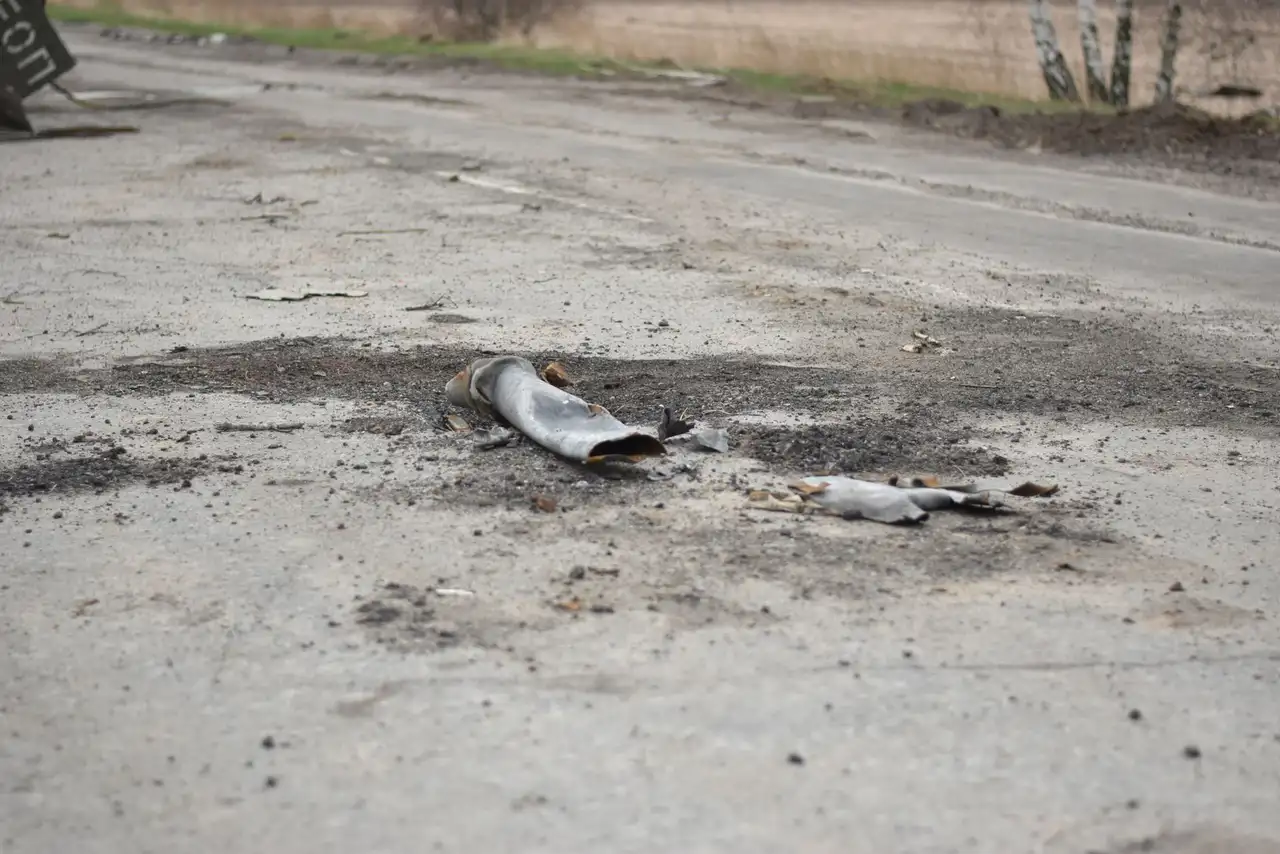
Slide to compare the photo with an illustrative inspection view. It is generated from the photo, not a measurement.
 Photo
Typical case: snowmelt flooding
Before: After a spring thaw, a crawl space held about 3 inches of standing water for a week. Insulation hung wet between joists, the vapor barrier was torn, and floors above felt cold and damp with a musty smell.
After: Standing water is pumped out, wet insulation is removed, and the space is dried for four days. Joist readings drop to about 15 percent, humidity falls under 55 percent, and the barrier is patched with taped seams.
Typical case: frozen supply line
Before: A supply line in an unheated crawl space split during a hard freeze and ran for hours. Water pooled under the house, the subfloor was soaked, and the owners noticed low water pressure and wet floors in the morning.
After: The main valve is shut, a plumber repairs the line, and the crew pumps the water and removes wet insulation. Drying for four days brings subfloor readings to dry standard, and new pipe insulation protects the line.
Typical case: sump pump failure
Before: A sump pump failed during a storm and the crawl space filled with ground water to about 4 inches. Insulation soaked, the pump float was stuck, and the area smelled damp two days later.
After: Water is pumped out and the pump and discharge line are tested. Wet insulation is removed and the space dries over five days. The failed pump is identified for replacement, and readings confirm dry framing.
Fix Crawl Space Flooding Before It Reaches Your Floors
Most crawl space calls in Eagle Mountain start with cold floors, a musty smell, or a neighbor mentioning standing water under the house.
Standing water sits in the crawl space after snowmelt, and nobody knows where it enters.
Water that stays for days soaks insulation, warps the subfloor, and starts mold on joists within 48 hours, often unseen from above.
The sump pump runs constantly or stops running when the crawl space floods.
A failed or undersized pump lets water return after every storm, so every cleanup is temporary and wood stays wet.
A torn or missing vapor barrier lets soil moisture rise into the crawl space.
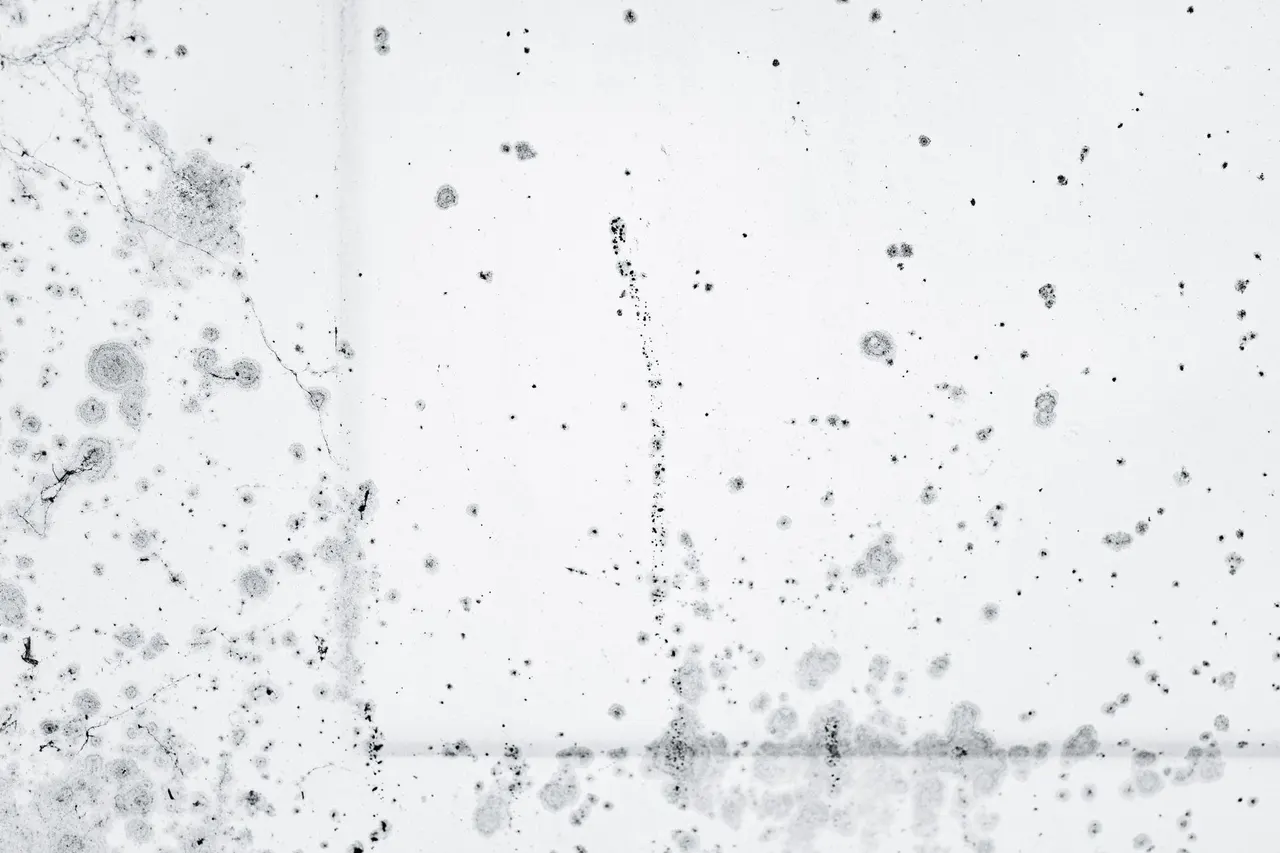
Bare soil releases moisture constantly, which keeps humidity above 60 percent and supports mold on insulation and wood framing.
Insulation hangs wet and sagging between the joists after a pipe broke.
Wet batts lose insulating value and hold water against the subfloor, making floors above cold and prolonging damage.
What Dry Crawl Space Work Delivers
A crawl space is part of the house, even if no one goes in it.
Floors stop absorbing moisture
Wet joists and subfloor can swell, cup hardwood, and loosen tile above.
Mold risk drops quickly
Wood and insulation that stay wet for over 48 hours invite mold.
Insulation is replaced correctly
Wet fiberglass between joists loses most of its insulating value and holds water against the subfloor.
Water has a way out
A working sump pump and a discharge line that carries water 5 to 10 feet from the foundation prevent the same flooding next storm.
What Affects Crawl Space Cost
In 2026, the cost of crawl space water removal in Eagle Mountain depends mostly on how much water is present, how big and how hard to…
Included
Quoted after a first look
- Standing water extraction
- Wet insulation removal
- Structural drying
- Vapor barrier repair
What changes the scope
Quoted after a first look
- Water depth and volume
- Access and crawl height
- Insulation and barrier damage
- Drying days
What a crawl space job leaves you
Clear records you can keep and share.
Moisture readings log
Joist and subfloor readings showing progress toward dry standard.
Photo documentation
Photos of water, damage, and the dry space for your records.
Source and condition notes
Where water entered, plus pump and vapor barrier condition.
Standards Behind Crawl Space Drying
Crawl space water work follows the same industry references as other water losses.
Joist moisture content
A meter reads wood moisture. Joists near 15 percent or lower are generally dry enough for insulation to go back.
Humidity in the space
Relative humidity under 60 percent keeps mold from thriving, so readings guide dehumidifier run time.
Sump pump function
Float movement, motor sound, and discharge flow show whether the pump can handle the next storm.
Is your Eagle Mountain area covered?
Type your ZIP code or town. If yours is not listed, call (385) 481-3042 and ask about it.
Eagle Mountain ZIP codes
- 84013
- 84005
Towns we serve.
Based in Eagle Mountain and covering the places around it. Pick one for local details.
Frequently Asked Questions
Short answers for the first few minutes. The team can cover the rest.
Still have a question?
Describe what you are seeing and we will point you to the right next step.
(385) 481-3042Most crawl space jobs take four to seven days, including three to five days of drying. Pumping standing water usually takes a few hours, depending on depth and crawl space size. The drying phase then runs air movers and a dehumidifier until joists reach about 15 percent moisture content. Larger losses, saturated insulation, or ongoing seepage can add days. Crawl space water removal in Eagle Mountain also depends on stopping the source first, since drying cannot finish while water keeps entering.
You can pump shallow, clean water with a rented submersible pump, but safety comes first. Turn off power to the crawl space at the breaker before entering, and never step into standing water near outlets or wiring. Wet insulation and soaked wood still need drying afterward, or mold can start within 48 hours. If the water is deep, dark, smells like sewage, or came from a drain line, call (385) 481-3042 and ask to be connected with a restoration company.
A vapor barrier is strongly recommended because bare soil releases moisture continuously into the space. Typical barriers are 6 to 20 mil polyethylene, overlapped about 12 inches at seams, taped, and run up the foundation walls. In Eagle Mountain, with clay soils and snowmelt, a torn or missing barrier is a common reason a crawl space stays damp. A restoration crew repairs barrier damage after drying, while larger drainage work is done by a waterproofing contractor.
Clay soils drain slowly, so snowmelt and storm water pool against foundation walls and seep into vents, cracks, or window wells. Downspouts that discharge within 5 feet of the house and flat grading make this worse. A sump pump failure, a leaking supply line, or a pipe burst during a hard freeze can also add water. Crawl space flooding in Eagle Mountain is often a combination, so the source needs to be found before drying starts.
Related Services
Other services from the same team.
- Burst Pipe Water DamageWhen a pipe freezes, it often splits at the weak point, and water pours out once the ice…
- Water MitigationWater damage mitigation is the early work that stops a loss from growing: removing water, protecting contents, setting…
- Sewage CleanupSewage backup cleanup deals with Category 3 water, which contains bacteria and should not be handled by homeowners.
Call About Crawl Space Water Removal in Eagle Mountain
(385) 481-3042Wet joists and insulation start causing trouble within 48 hours.
Call to Get Connected
If water is damaging your home in Eagle Mountain or a nearby Utah County town, call (385) 481-3042. Tell us what happened, where the water is and whether it is still flowing. We connect you with an independent local water damage restoration company that serves your address.
Call to get connected
Call (385) 481-3042 and tell us what happened, where the water is and whether it is still flowing. We connect you with a local water damage restoration company serving Eagle Mountain and nearby towns.